Start With How You Live
Before you look at numbers, list what each room must do. A family that cooks daily needs a different kitchen than one that eats out most nights. Prioritise the rooms you use the most.
1. Understand What Drives Cost
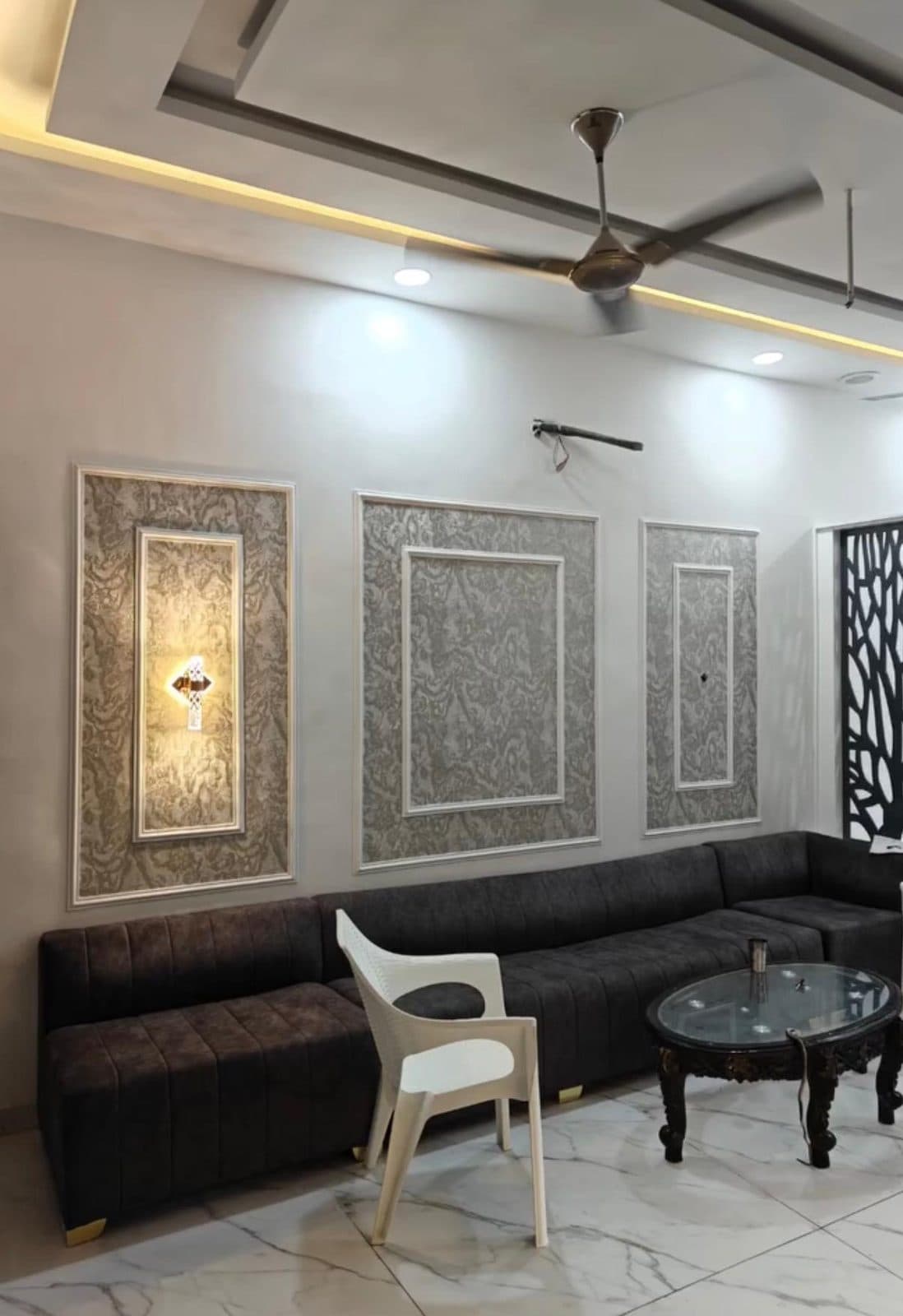
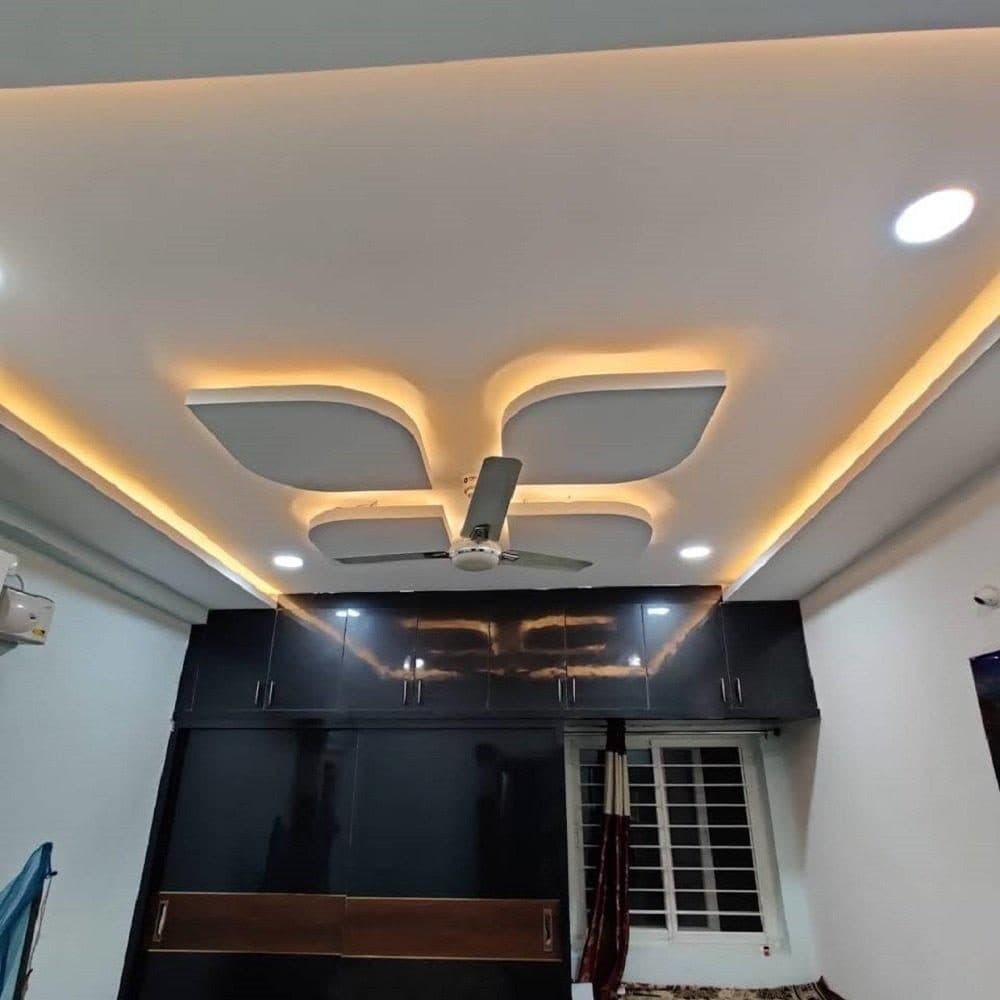
- Civil & ceiling work — false ceilings, electrical rewiring, flooring changes
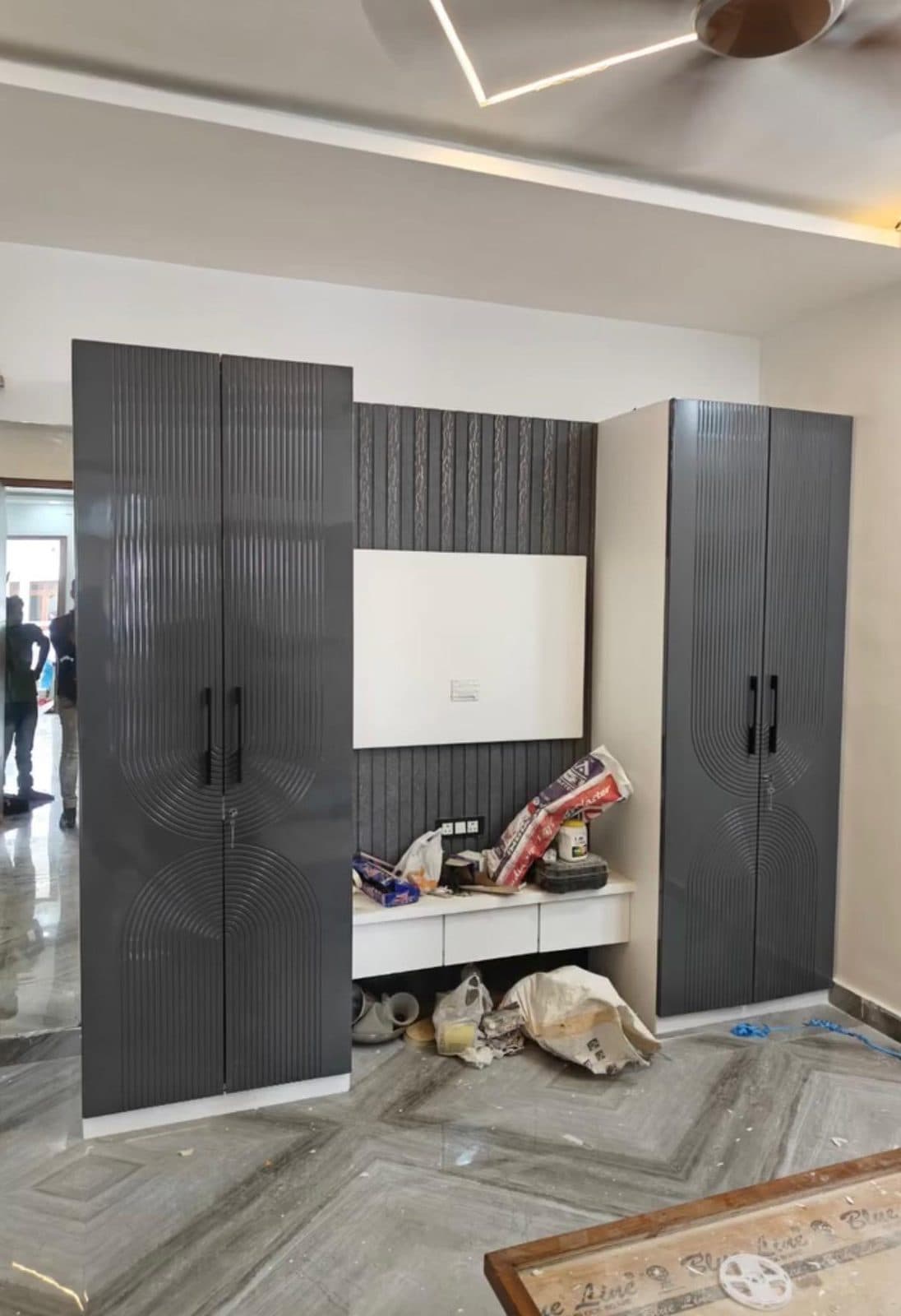
- Modular furniture — kitchen, wardrobes, TV units; usually the biggest share
- Finishes — laminates, veneers, paint, wallpaper, lighting
- Loose furniture & décor — sofas, beds, curtains, artwork
2. Spend Where It Matters
Invest in things that are hard to change later: kitchen carcass and hardware, wardrobe internals, electrical and plumbing points, and good lighting. Save on décor, which can be upgraded any time.
3. Keep a 10–15% Buffer
Site conditions, material price changes and small additions are normal on every project. A buffer keeps the work moving without stress.
4. Ask for a Detailed Estimate
A good estimate lists every item with material, brand and quantity, not a single lump sum. This lets you compare options and avoid surprises mid-way.
5. Work in Phases If Needed
If the full budget isn't available right now, complete the civil, ceiling, electrical and kitchen work first. Loose furniture and décor can follow later.
Need Help Planning?
At Ishan Developers, we prepare detailed, transparent estimates for every interior project across Uttarakhand. Contact us for a free consultation.
Related Articles

Turnkey Project vs Managing Contractors Yourself: Which Is Better?
Building or renovating? Compare a turnkey project with hiring separate contractors on cost, time, quality and peace of mind.
Home Renovation Checklist: 7 Things to Do Before You Start
A little preparation saves weeks of delay. Run through these seven points before starting any home renovation.